Rock rattlesnake
Venomous · Crotalus lepidus
DangerousA bite is a medical emergency
Small, but a bite still needs emergency care.
- Lives in
- 3 states
- Size
- 15–30 in
- Open US records
- 1,308
- Group
- Snake
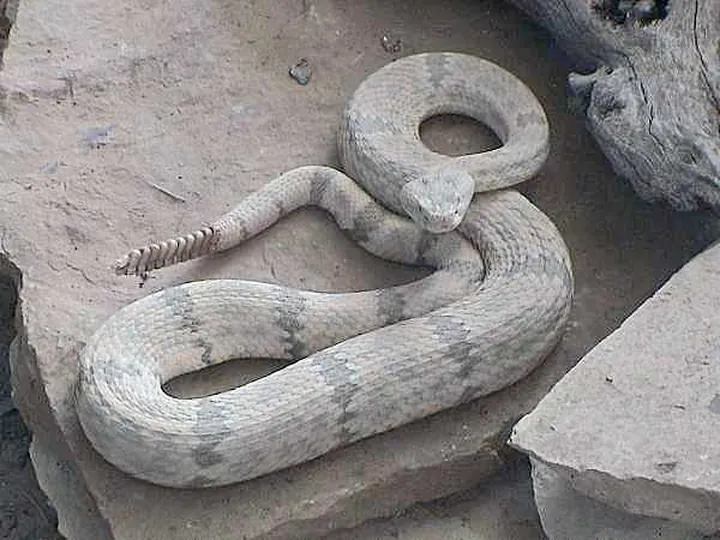
How to identify it
- Small rattlesnake with crisp dark crossbands
- Gray, bluish or pinkish body that matches limestone or granite
- Rattle on the tail
Size: 15–30 in (total length). Habitat: Rocky mountain slopes in southeastern Arizona, southern New Mexico and west Texas.
Also called banded rock rattlesnake, mottled rock rattlesnake.
Where it lives
- Lives here
- Rare records
- Gone
- Not here
When it is out
State by state
| State | Status | Open records | Counties |
|---|---|---|---|
| Texas | Lives here | 614 | 15 |
| Arizona | Lives here | 423 | 3 |
| New Mexico | Lives here | 271 | 9 |
States not listed have no open records and are outside the range.
Questions
Where does the rock rattlesnake live?
In 3 states: Arizona, New Mexico and Texas.
Is the rock rattlesnake dangerous?
Dangerous. Small, but a bite still needs emergency care.
How do you identify a rock rattlesnake?
Small rattlesnake with crisp dark crossbands. Gray, bluish or pinkish body that matches limestone or granite. Rattle on the tail.
When is the rock rattlesnake most active?
Most open US records fall in July to September.