Tarantula
Bites are rare and feel like a bee sting. The hairs on the abdomen can irritate skin and eyes.
- Lives in
- 12 states
- Size
- 2–3 in
- Open US records
- 2,208
- Group
- Spider
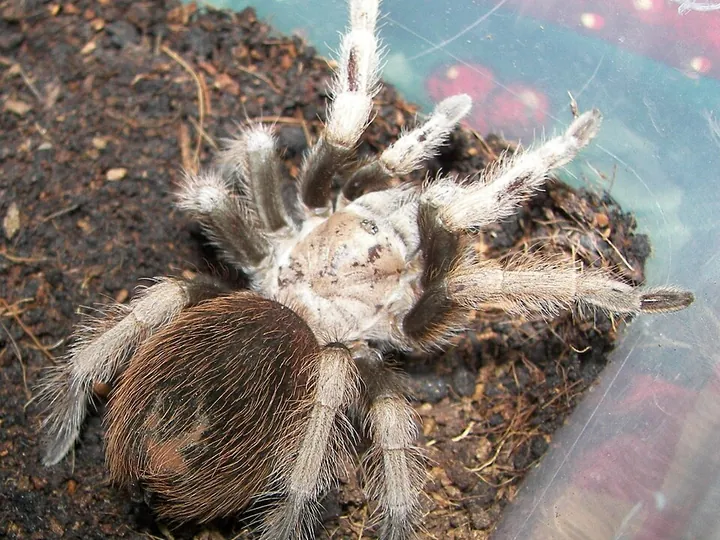
How to identify it
- Large, hairy, brown to black spider
- Lives in a burrow with silk around the entrance
- Males wander in late summer and fall looking for mates
Size: 2–3 in (body length). Habitat: Grassland and desert of the South and West.
Also called desert tarantula, Texas brown tarantula.
Where it lives
- Lives here
- Rare records
- Gone
- Not here
When it is out
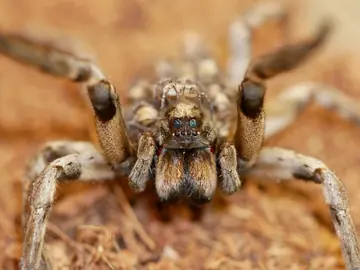
Look-alikes
State by state
| State | Status | Open records | Counties |
|---|---|---|---|
| California | Lives here | 621 | 28 |
| Texas | Lives here | 557 | 76 |
| Arizona | Lives here | 527 | 13 |
| New Mexico | Lives here | 126 | 22 |
| Colorado | Lives here | 109 | 10 |
| Oklahoma | Lives here | 95 | 24 |
| Utah | Lives here | 67 | 10 |
| Missouri | Lives here | 36 | 8 |
| Nevada | Lives here | 31 | 5 |
| Arkansas | Lives here | 17 | 9 |
| Kansas | Lives here | 11 | 5 |
| Louisiana | Lives here | 8 | 3 |
| South Carolina | Rare records | 3 | 1 |
States not listed have no open records and are outside the range.
Questions
Where does the tarantula live?
In 12 states: Arizona, Arkansas, California, Colorado, Kansas, Louisiana, Missouri, Nevada, New Mexico, Oklahoma, Texas and Utah. Rare records also come from South Carolina.
Is the tarantula dangerous?
Painful, rarely serious. Bites are rare and feel like a bee sting. The hairs on the abdomen can irritate skin and eyes.
How do you identify a tarantula?
Large, hairy, brown to black spider. Lives in a burrow with silk around the entrance. Males wander in late summer and fall looking for mates.
When is the tarantula most active?
Most open US records fall in July to October.