Pygmy Rattlesnake vs Hognose Snake

The quick tellA pygmy rattlesnake has a tiny rattle and vertical pupils. A hognose has an upturned snout and round pupils, and it spreads its neck or plays dead when bothered.
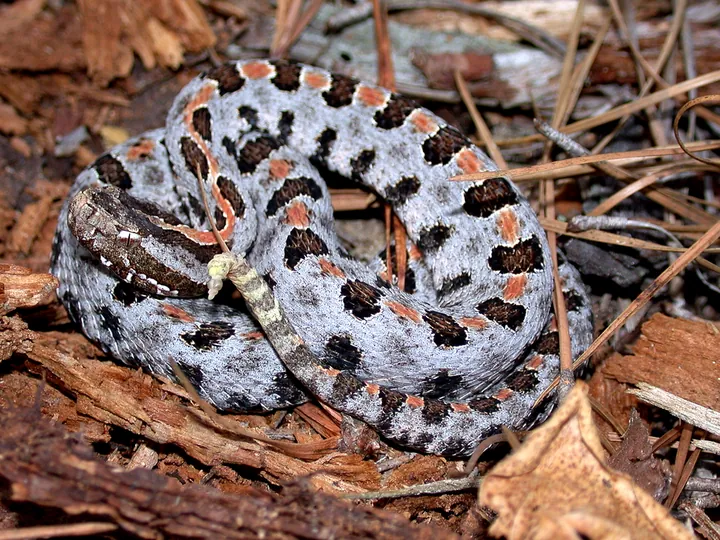
Pygmy rattlesnake (Sistrurus miliarius)

Photo: unknown author, Public domain, via Wikimedia Commons

Pygmy rattlesnake

Medically significant · Sistrurus miliarius

  • Small with a thin tail and a tiny rattle that sounds like a buzzing insect
  • Gray or tan with dark round blotches
  • Often a reddish stripe down the spine
  • Nine large plates on top of the head

Size: 15–24 in. Habitat: Pine woods, wet prairie and lake edges of the Southeast.

Small venom yield, and deaths are extremely rare, but bites are painful and need medical care.
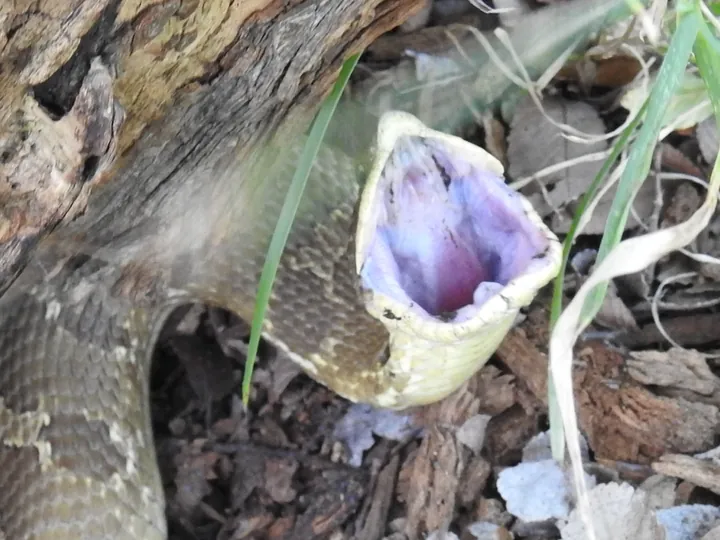
Eastern hognose snake (Heterodon platirhinos)

Photo: Sam Kieschnick, CC BY 4.0, via iNaturalist

Eastern hognose snake

Harmless · Heterodon platirhinos

  • Upturned snout
  • Flattens its neck like a cobra and hisses when scared
  • Plays dead, rolls over and lets its tongue hang out
  • Round pupils

Size: 20–33 in. Habitat: Sandy fields, woods and coastal areas of the East and Midwest.

Considered harmless to people. Its bluff display is why it gets mistaken for a viper.

Where each one lives

Alabama: both live hereAlaska: neitherArizona: neitherArkansas: both live hereCalifornia: neitherColorado: neitherConnecticut: Eastern hognose snake onlyDelaware: Eastern hognose snake onlyFlorida: both live hereGeorgia: both live hereHawaii: neitherIdaho: neitherIllinois: Eastern hognose snake onlyIndiana: Eastern hognose snake onlyIowa: Eastern hognose snake onlyKansas: Eastern hognose snake onlyKentucky: both live hereLouisiana: both live hereMaine: neitherMaryland: Eastern hognose snake onlyMassachusetts: neitherMichigan: Eastern hognose snake onlyMinnesota: Eastern hognose snake onlyMississippi: both live hereMissouri: both live hereMontana: neitherNebraska: Eastern hognose snake onlyNevada: neitherNew Hampshire: neitherNew Jersey: Eastern hognose snake onlyNew Mexico: neitherNew York: Eastern hognose snake onlyNorth Carolina: both live hereNorth Dakota: neitherOhio: Eastern hognose snake onlyOklahoma: both live hereOregon: neitherPennsylvania: Eastern hognose snake onlyRhode Island: neitherSouth Carolina: both live hereSouth Dakota: Eastern hognose snake onlyTennessee: both live hereTexas: both live hereUtah: neitherVermont: neitherVirginia: Eastern hognose snake onlyWashington: neitherWest Virginia: Eastern hognose snake onlyWisconsin: Eastern hognose snake onlyWyoming: neither
Pygmy rattlesnake: 13 states. Eastern hognose snake: 31 states. Both live in 13 states.

Side by side

Pygmy rattlesnakeEastern hognose snake
DangerMedically significantHarmless
Size15–24 in20–33 in
States1331
HabitatPine woods, wet prairie and lake edges of the SoutheastSandy fields, woods and coastal areas of the East and Midwest

Questions

How can you tell a pygmy rattlesnake from a eastern hognose snake?

A pygmy rattlesnake has a tiny rattle and vertical pupils. A hognose has an upturned snout and round pupils, and it spreads its neck or plays dead when bothered.

Which one is dangerous?

The pygmy rattlesnake: medically significant. The eastern hognose snake: harmless. If you are not sure, keep your distance and do not handle it.

Where do both live?

Both live in 13 states: Alabama, Arkansas, Florida, Georgia, Kentucky, Louisiana, Mississippi, Missouri, North Carolina, Oklahoma, South Carolina, Tennessee and Texas.

More look-alikes