Western Diamondback vs Mojave Rattlesnake

The quick tellCheck the tail. On a Mojave rattlesnake the white tail bands are wider than the black ones; on a western diamondback they are about equal. Telling them apart is hard, so treat both with the same care.
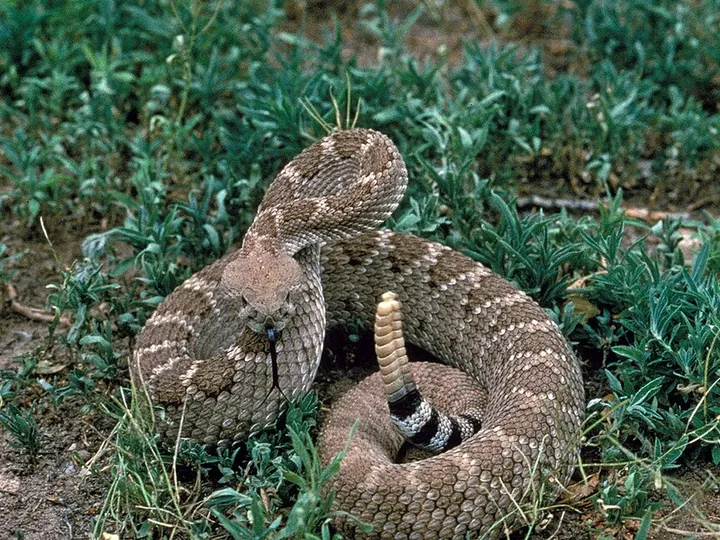
Western diamondback rattlesnake (Crotalus atrox)

Photo: Gary Stolz (original), Public domain, via Wikimedia Commons

Western diamondback rattlesnake

Dangerous · Crotalus atrox

  • Gray to tan with dusty diamond blotches
  • Black and white bands of equal width just before the rattle
  • Two pale stripes on the face
  • Heavy body and a broad triangular head

Size: 30–60 in. Habitat: Deserts, grassland and rocky hills from Arkansas to southeastern California.

Responsible for many of the serious snakebites in the Southwest. A bite is a medical emergency.
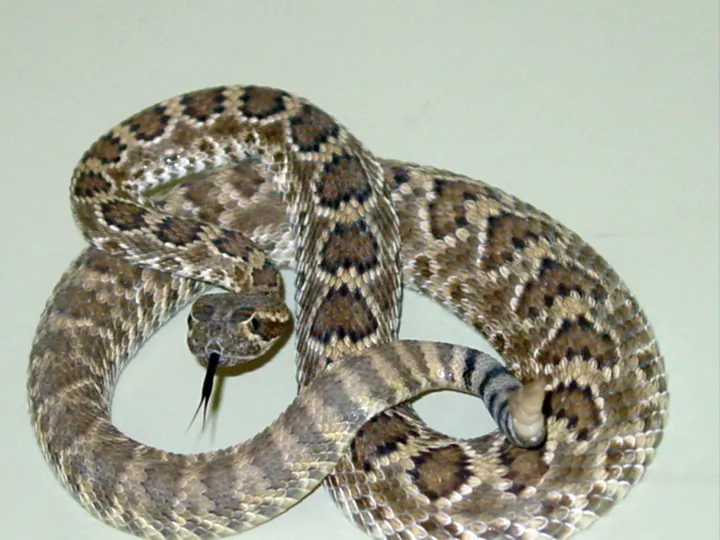
Mojave rattlesnake (Crotalus scutulatus)

Photo: Lvthn13, Public domain, via Wikimedia Commons

Mojave rattlesnake

Dangerous · Crotalus scutulatus

  • Greenish to tan with diamonds that have clean pale edges
  • White tail bands wider than the black ones
  • Pale stripe behind the eye ends above the corner of the mouth
  • Looks a lot like a western diamondback

Size: 24–48 in. Habitat: Open desert flats with creosote and Joshua trees.

Venom in many populations carries a strong nerve toxin. A bite is a medical emergency even if it looks mild at first.

Where each one lives

Alabama: neitherAlaska: neitherArizona: both live hereArkansas: Western diamondback rattlesnake onlyCalifornia: both live hereColorado: neitherConnecticut: neitherDelaware: neitherFlorida: neitherGeorgia: neitherHawaii: neitherIdaho: neitherIllinois: neitherIndiana: neitherIowa: neitherKansas: neitherKentucky: neitherLouisiana: neitherMaine: neitherMaryland: neitherMassachusetts: neitherMichigan: neitherMinnesota: neitherMississippi: neitherMissouri: neitherMontana: neitherNebraska: neitherNevada: Mojave rattlesnake onlyNew Hampshire: neitherNew Jersey: neitherNew Mexico: both live hereNew York: neitherNorth Carolina: neitherNorth Dakota: neitherOhio: neitherOklahoma: Western diamondback rattlesnake onlyOregon: neitherPennsylvania: neitherRhode Island: neitherSouth Carolina: neitherSouth Dakota: neitherTennessee: neitherTexas: both live hereUtah: Mojave rattlesnake onlyVermont: neitherVirginia: neitherWashington: neitherWest Virginia: neitherWisconsin: neitherWyoming: neither
Western diamondback rattlesnake: 6 states. Mojave rattlesnake: 6 states. Both live in 4 states.

Side by side

Western diamondback rattlesnakeMojave rattlesnake
DangerDangerousDangerous
Size30–60 in24–48 in
States66
HabitatDeserts, grassland and rocky hills from Arkansas to southeastern CaliforniaOpen desert flats with creosote and Joshua trees

Questions

How can you tell a western diamondback rattlesnake from a Mojave rattlesnake?

Check the tail. On a Mojave rattlesnake the white tail bands are wider than the black ones; on a western diamondback they are about equal. Telling them apart is hard, so treat both with the same care.

Which one is dangerous?

The western diamondback rattlesnake: dangerous. The Mojave rattlesnake: dangerous. If you are not sure, keep your distance and do not handle it.

Where do both live?

Both live in 4 states: Arizona, California, New Mexico and Texas.